TEL:+86 13179668188 E-MAIL:alina@volsn.com


BLOG

When Is It Time to Replace Your Plate Clamp?
4 Warning Signs You Should Never Ignore A plate clamp is a critical lifting tool used for handling steel plates, metal sheets, and heavy materials in industries such as steel fabrication, construction, shipbuilding, and manufacturing. However, like any lifting equipment, a plate clamp does not last forever. Continuous loading, harsh working environments, and improper use can gradually reduce its gripping performance and safety reliability. So, when is it time to replace your plate clamp? The answer depends on several key warning signs, including worn teeth, structural damage, deformation, and poor clamping performance. 1. Worn or Damaged Clamp Teeth The gripping teeth are one of the most important parts of a plate clamp. During lifting, the teeth create a secure grip on the steel plate surface. Over time, repeated lifting cycles can cause: If the teeth can no longer maintain a strong grip, the plate clamp should be inspected and replaced. A worn gripping surface means the clamp may not perform as originally designed. 2. Cracks or Structural Damage A plate clamp works under heavy loads, which means its body structure
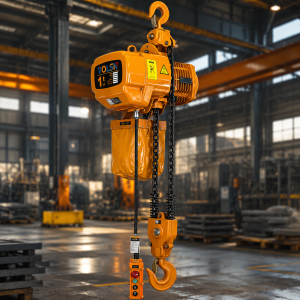
How To Select The Right Electric Chain Hoist Capacity?
Introduction Choosing the correct electric chain hoist capacity is one of the most important decisions before purchasing lifting equipment. Many buyers ask: “What capacity electric chain hoist do I need?” The answer is not simply based on the weight of the load. The correct hoist capacity depends on: Selecting the right capacity helps ensure safer operation, longer equipment service life, and better lifting efficiency. What Does Electric Chain Hoist Capacity Mean? Electric chain hoist capacity refers to the maximum rated load that the hoist is designed to lift safely under normal working conditions. For example: The rated capacity is usually marked on the product nameplate. Important: A hoist should never be operated beyond its rated lifting capacity. Step 1: Determine Your Maximum Load Weight The first step is identifying the heaviest load you need to lift. Consider all lifting components, including: For example: A machine component weighs 2,000 kg. The lifting accessories weigh 100 kg. The total lifting load is: 2,000 kg + 100 kg = 2,100 kg The selected hoist capacity must be higher than the total load. Step
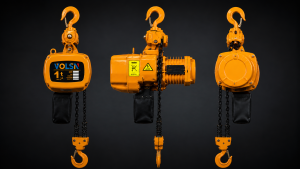
What Is A Fixed Electric Chain Hoist And When Should You Use It?
Introduction When choosing an electric lifting solution, many buyers ask: “Do I need a fixed electric chain hoist or a trolley type hoist?” The answer depends on your lifting requirements, working environment, and whether the load needs horizontal movement. A fixed electric chain hoist is designed for applications where loads need to be lifted and lowered vertically at a specific working position. It provides a simple, reliable, and cost-effective lifting solution for factories, workshops, warehouses, and maintenance areas. What Is A Fixed Electric Chain Hoist? A fixed electric chain hoist is a lifting device that uses an electric motor and load chain system to raise and lower heavy loads vertically. Unlike trolley-mounted hoists, the fixed type is installed at a permanent lifting point through a top suspension hook or fixed mounting structure. The hoist remains in one position during operation and focuses on: A typical fixed electric chain hoist consists of: How Does A Fixed Electric Chain Hoist Work? The operating process is simple: This design allows operators to handle heavy components with less manual effort while improving workplace efficiency.
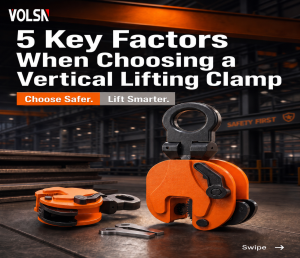
5 Key Factors When Choosing a Vertical Lifting Clamp | VOLSN
Learn how to choose the right vertical lifting clamp. Discover the 5 key factors including WLL, plate thickness, material compatibility, safety features, and quality standards. Quick Answer Choosing the right vertical lifting clamp requires careful consideration of five critical factors: Working Load Limit (WLL), plate thickness range, material compatibility, safety locking system, and manufacturing quality. A suitable steel plate lifting clamp ensures safer lifting operations, reduces the risk of plate slipping, and improves efficiency in industries such as steel fabrication, shipbuilding, construction, and heavy equipment manufacturing. Key Takeaways ✅ Check the Working Load Limit (WLL) to ensure the clamp can safely handle the lifting weight. ✅ Match the jaw opening with the steel plate thickness for secure gripping. ✅ Choose the correct clamp based on material and surface conditions. ✅ Verify safety features such as locking mechanisms and hardened gripping jaws. ✅ Select lifting clamps with reliable manufacturing processes and quality certifications. Detailed Explanation 1. Working Load Limit (WLL): The First Safety Consideration The Working Load Limit (WLL) is the maximum load that a vertical lifting clamp can safely lift
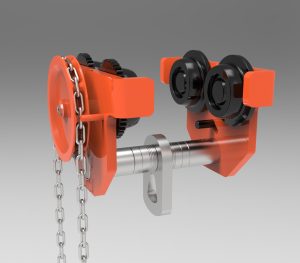
How to Choose the Right Geared Trolley: A Complete Selection Guide for Safe Beam Lifting
Learn how to choose the right geared trolley based on load capacity, beam width, flange type, lifting height, and working environment. This complete guide explains selection criteria, installation considerations, safety standards, and common mistakes. Quick Answer Selecting the right geared trolley (GCL hand-geared trolley) requires more than matching the load capacity. You should evaluate the Working Load Limit (WLL), beam flange width, beam type (I-beam or H-beam), flange thickness, lifting height, operating environment, and compatibility with the hoist. Choosing the correct trolley improves lifting safety, extends equipment life, and ensures smooth beam travel. Key Takeaways Use the following sequence before selecting a geared trolley: Measure the Load Weight↓Select the Required WLL↓Measure Beam Flange Width↓Confirm Beam Type (I-Beam / H-Beam)↓Check Hoist Compatibility↓Evaluate Working Environment↓Select the Correct Geared Trolley Model What Is a Geared Trolley? A geared trolley, also known as a hand-geared beam trolley, is a manually operated traveling device that allows a chain hoist or other lifting equipment to move along a beam. Unlike a push trolley, the operator moves the trolley by pulling a hand chain connected to an