TEL:+86 13179668188 E-MAIL:alina@volsn.com


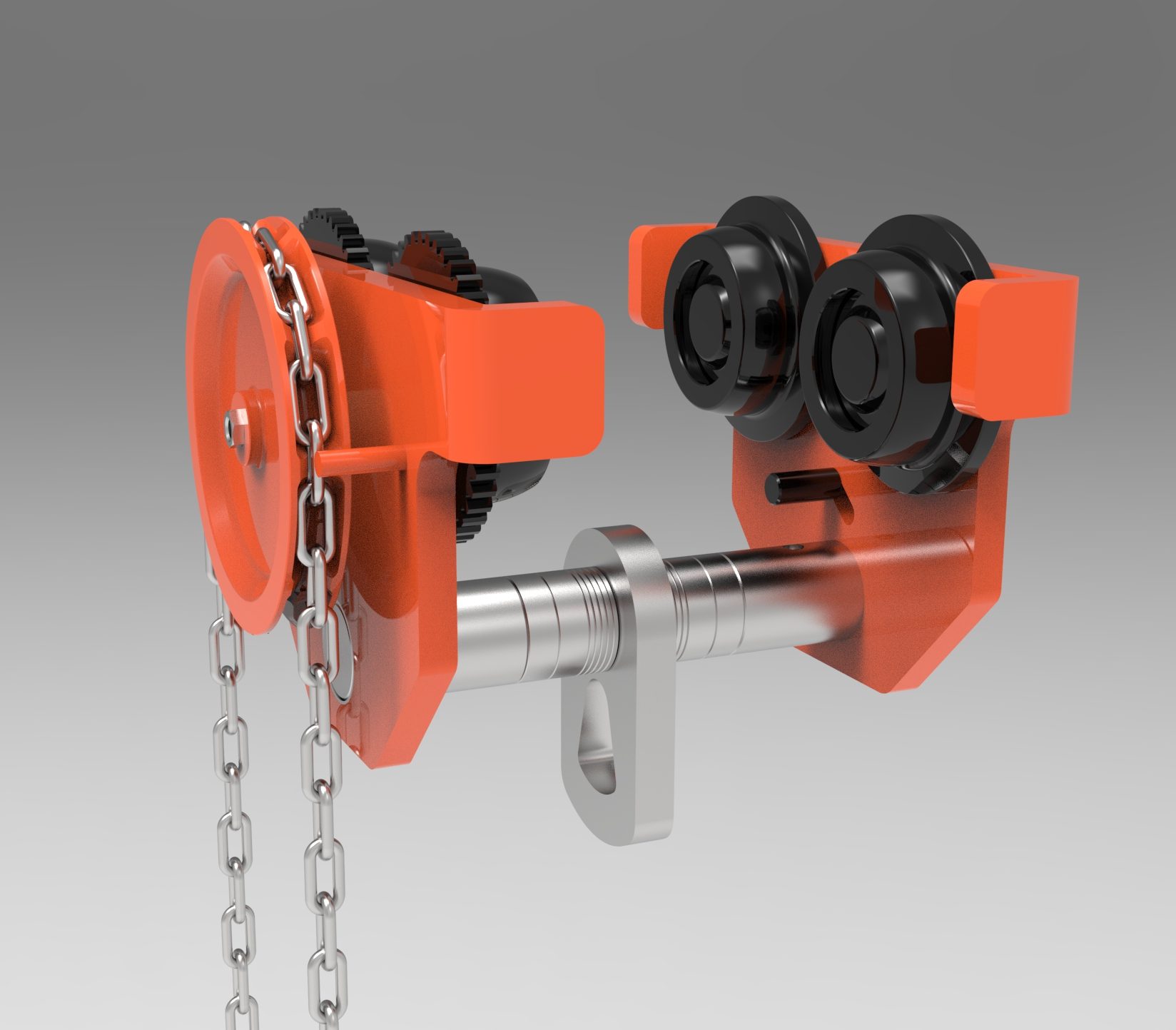

Learn how to choose the right geared trolley based on load capacity, beam width, flange type, lifting height, and working environment. This complete guide explains selection criteria, installation considerations, safety standards, and common mistakes.
Quick Answer
Selecting the right geared trolley (GCL hand-geared trolley) requires more than matching the load capacity. You should evaluate the Working Load Limit (WLL), beam flange width, beam type (I-beam or H-beam), flange thickness, lifting height, operating environment, and compatibility with the hoist. Choosing the correct trolley improves lifting safety, extends equipment life, and ensures smooth beam travel.
Key Takeaways
- Choose the trolley based on both WLL and beam dimensions, not load capacity alone.
- Verify that the beam flange width falls within the trolley’s adjustable range.
- Confirm compatibility with your manual chain block or electric chain hoist.
- Consider the working environment, including indoor, outdoor, dusty, or corrosive conditions.
- Always inspect the trolley, beam, and hoist before each lifting operation.
- Decision Guide
Use the following sequence before selecting a geared trolley:
Measure the Load Weight
↓
Select the Required WLL
↓
Measure Beam Flange Width
↓
Confirm Beam Type (I-Beam / H-Beam)
↓
Check Hoist Compatibility
↓
Evaluate Working Environment
↓
Select the Correct Geared Trolley Model
What Is a Geared Trolley?
A geared trolley, also known as a hand-geared beam trolley, is a manually operated traveling device that allows a chain hoist or other lifting equipment to move along a beam.
Unlike a push trolley, the operator moves the trolley by pulling a hand chain connected to an internal gear system. This design provides smoother movement and better control, especially when handling heavy loads or positioning equipment precisely.
Typical applications include:
- Manufacturing plants
- Steel fabrication workshops
- Warehouses
- Construction sites
- Maintenance workshops
- Power stations
- Shipyards
Step 1 – Determine the Required Working Load Limit (WLL)
The first selection criterion is the Working Load Limit (WLL).
The trolley must have a rated capacity equal to or greater than the maximum load being lifted, including:
Hoist weight
Lifting accessories
Actual load
Any permanently attached equipment
Example
Load Weight Recommended Minimum WLL
500 kg 0.5 t
1,000 kg 1 t
2,000 kg 2 t
3,000 kg 3 t
5,000 kg 5 t
Never select a trolley with a lower WLL than the total suspended load.
Step 2 – Measure the Beam Flange Width
A geared trolley is designed to fit a specific range of beam flange widths.
Measure the beam flange accurately before selecting the trolley.
Typical adjustable ranges may include:
Trolley Capacity Typical Beam Width Range*
0.5–1 t 64–203 mm
2–3 t 76–203 mm
5 t 90–203 mm
10 t 125–305 mm
*Actual ranges vary by manufacturer. Always verify the technical data for the specific model.
Selecting a trolley outside the beam width range can lead to poor wheel alignment, excessive wear, or derailment.
Step 3 – Identify the Beam Type
Most geared trolleys are designed for standard:
I-beams
H-beams
Before installation, verify:
Flange width
Flange thickness
Beam profile
Beam condition
Do not assume all beams are compatible.
Special beam profiles or curved tracks may require customized trolley designs.
Step 4 – Check Hoist Compatibility
The trolley and hoist should function as one lifting system.
Before purchasing, confirm:
Rated capacity
Suspension dimensions
Hook size
Mounting method
Headroom requirements
Common compatible equipment includes:
Manual Chain Hoists
Lever Hoists
Electric Chain Hoists
Wire Rope Hoists (where applicable)
A mismatch may result in installation difficulties or reduced operating efficiency.
Step 5 – Evaluate the Working Environment
Environmental conditions affect both safety and service life.
Consider the following factors:
Indoor Workshops
Standard painted geared trolleys are generally suitable.
Outdoor Applications
Consider:
Corrosion-resistant coatings
Galvanized components
Weather protection
Dusty or Dirty Environments
Inspect and lubricate moving parts more frequently.
High-Humidity or Coastal Areas
Select corrosion-resistant materials and establish a preventive maintenance schedule.
Geared Trolley vs. Push Trolley
Feature Geared Trolley Push Trolley
Operation Hand chain Push by hand
Positioning Accuracy Excellent Moderate
Heavy Load Handling Better Suitable for lighter or moderate loads
Operator Effort Lower for heavy loads Higher for heavy loads
Precision Movement Excellent Limited
Typical Applications Manufacturing, fabrication, maintenance Warehousing, light-duty lifting
Choose a geared trolley when precise load positioning or frequent travel under load is required.
Common Selection Mistakes
- Choosing by Capacity Only
A trolley with the correct WLL may still be unsuitable if the beam width is incorrect.
- Ignoring Beam Flange Width
Improper beam fit can cause:
Wheel misalignment
Uneven load distribution
Excessive wheel wear
Derailment
- Not Checking Hoist Compatibility
Different hoists have different suspension dimensions.
Always verify compatibility before installation.
- Overlooking Environmental Conditions
Dust, moisture, corrosive chemicals, or outdoor exposure may require additional protection and maintenance.
Safety Notes
For safe operation:
Verify the beam is structurally suitable for the intended load.
Ensure the trolley wheels are correctly adjusted to the beam.
Never exceed the rated Working Load Limit (WLL).
Do not use the trolley for side pulling or towing loads.
Inspect wheels, gears, bearings, suspension pins, and side plates before each shift.
Keep the beam running surface clean and free from obstructions.
Lubricate gears and bearings according to the manufacturer’s maintenance schedule.
Follow all applicable lifting regulations and the equipment manufacturer’s instructions.
A geared trolley is only one part of the complete lifting system. The beam, hoist, slings, and lifting accessories must all be correctly selected and maintained.
Frequently Asked Questions
- How do I know what size geared trolley I need?
Measure the total suspended load and the beam flange width. Select a trolley with the appropriate WLL and an adjustable range that matches the beam dimensions.
- Can one geared trolley fit different beam widths?
Yes. Most geared trolleys are adjustable within a specified beam width range. Always stay within the manufacturer’s limits.
- Can I use a geared trolley with an electric chain hoist?
Yes, provided the trolley is designed for the hoist’s capacity, suspension dimensions, and mounting configuration.
- Is a geared trolley better than a push trolley?
For heavy loads, precise positioning, or frequent travel, a geared trolley generally provides better control and easier operation.
- Can a geared trolley be used outdoors?
Yes, but outdoor use may require corrosion-resistant finishes, regular inspections, and more frequent maintenance.
- Can I use a geared trolley for side pulling?
No. Geared trolleys are designed for vertical lifting loads only. Side pulling can damage the trolley, beam, or hoist and create serious safety hazards.
- How often should a geared trolley be inspected?
A visual inspection should be performed before each use. More detailed inspections should follow the manufacturer’s recommendations and local safety regulations.
References
This guidance is based on internationally recognized lifting practices and standards, including:
ASME B30.11 – Monorails and Underhung Cranes
ASME B30.16 – Overhead Hoists (Underhung)
EN 13157 – Hand-Powered Lifting Equipment
ISO 12100 – Safety of Machinery – General Principles for Risk Assessment and Risk Reduction
ISO 4301 / ISO 4309 – Crane classification and inspection guidance
Equipment manufacturer’s installation, operation, and maintenance manuals
Always consult the latest edition of applicable standards and the manufacturer’s documentation before installation or operation.
Expert Recommendation
Choosing the right geared trolley requires evaluating the entire lifting system, not just the trolley itself. Engineers and maintenance teams should verify:
Working Load Limit (WLL)
Beam flange width and profile
Hoist compatibility
Headroom requirements
Operating environment
Inspection and maintenance schedule
For industrial applications, selecting a trolley with an adjustable beam range, durable gear transmission, and reliable wheel alignment can improve positioning accuracy, reduce maintenance, and extend service life.
At Volsn, our engineering approach is to recommend a complete beam-travel solution based on the customer’s lifting application rather than a single product specification. Matching the trolley to the beam, hoist, and working conditions helps achieve safer operation, smoother load movement, and long-term reliability.