TEL:+86 13179668188 E-MAIL:alina@volsn.com


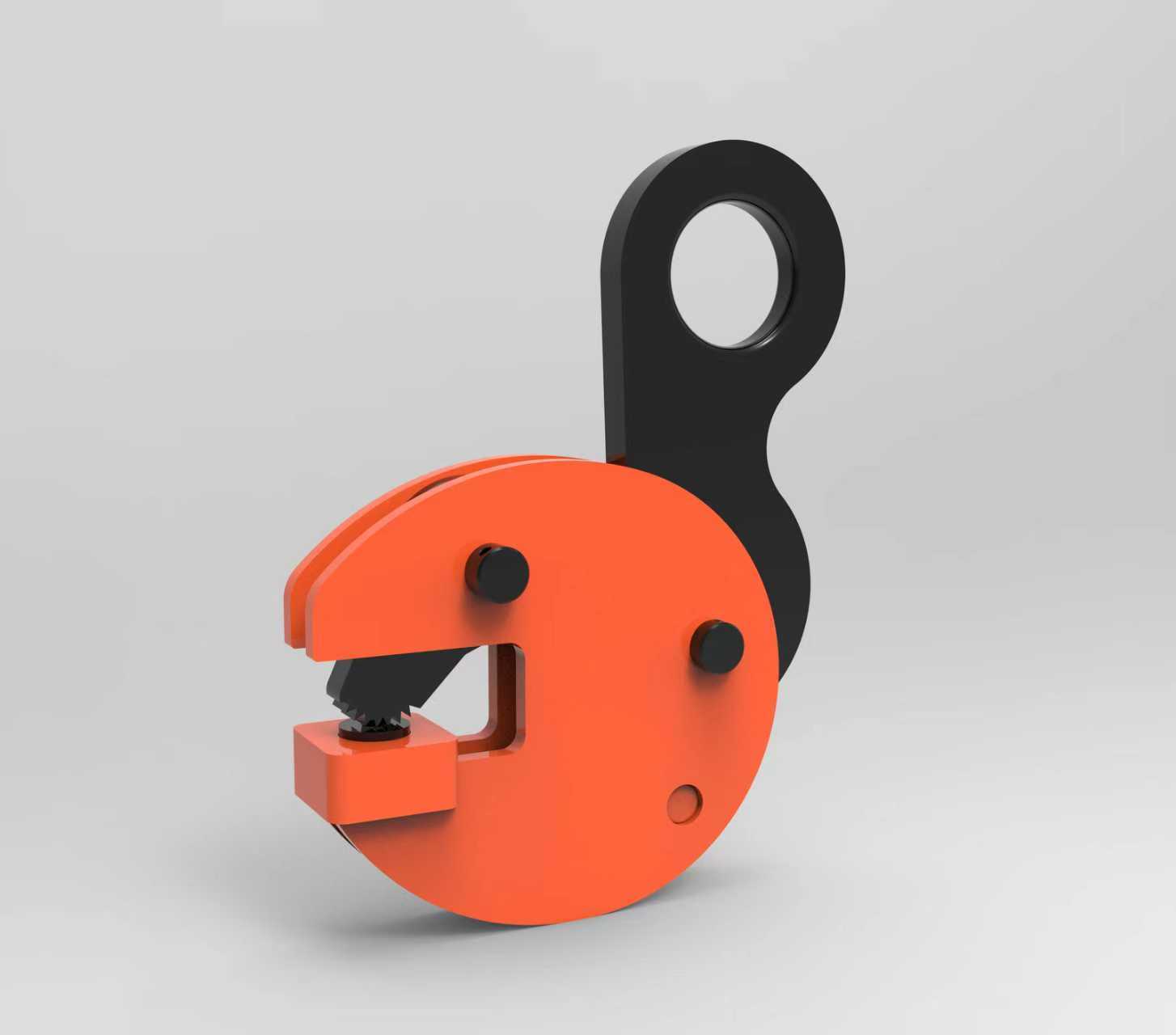

How to Select Jaw Opening for Plate Clamps | Complete Selection Guide
Learn how to select the correct jaw opening for steel plate lifting clamps. Understand plate thickness, working load limit (WLL), gripping range, and safety requirements to ensure safe lifting operations.
How to Select Jaw Opening for Plate Clamps
Quick Answer
The correct jaw opening for a plate lifting clamp should match the actual thickness of the steel plate while remaining within the clamp manufacturer’s specified gripping range. Never use a clamp with a jaw opening that is too large or too small for the material. Proper jaw selection improves gripping force, prevents slippage, and ensures safe lifting in accordance with recognized lifting standards and manufacturer instructions.
Key Takeaways
- Select a jaw opening based on the actual plate thickness, not the plate weight.
- Always verify that the plate thickness falls within the clamp’s specified gripping range.
- A larger jaw opening does not mean a higher lifting capacity.
- Working Load Limit (WLL), jaw opening, and lifting orientation must all be considered together.
- Never modify or force a clamp to fit a plate outside its rated thickness range.
Why Is Jaw Opening Important?
Jaw opening is one of the most important selection criteria for a plate lifting clamp.
It determines how securely the clamp grips the steel plate during lifting.
A properly matched jaw opening allows the clamp’s gripping mechanism—whether cam, serrated jaw, or friction-based design—to generate the intended holding force.
If the jaw opening does not match the plate thickness, the clamp may not develop sufficient gripping force, increasing the risk of slipping, plate damage, or unstable lifting.
Simply put:
Correct jaw opening = Secure grip + Safe lifting.
What Is Jaw Opening?
Jaw opening refers to the minimum and maximum plate thickness that a lifting clamp is designed to grip safely.
For example:
| Clamp Model | Jaw Opening Range |
|---|---|
| Model A | 0–20 mm |
| Model B | 20–40 mm |
| Model C | 40–60 mm |
If a steel plate is 25 mm thick, Model B is generally the appropriate choice because the plate thickness falls within its specified gripping range.
How to Select the Correct Jaw Opening
Selecting the proper jaw opening involves several steps.
Step 1 – Measure the Actual Plate Thickness
Measure the plate at the lifting location using a calibrated measuring tool.
Do not estimate the thickness visually.
Also consider:
- Surface coatings
- Galvanizing
- Paint
- Weld spatter
- Surface irregularities
These conditions may affect effective gripping.
Step 2 – Check the Manufacturer’s Gripping Range
Every lifting clamp specifies a minimum and maximum jaw opening.
For example:
- 0–20 mm
- 20–40 mm
- 40–60 mm
Never exceed either limit.
A plate that is thinner or thicker than the specified range should be lifted with a different clamp model.
Step 3 – Verify the Working Load Limit (WLL)
Jaw opening alone is not enough.
Also confirm:
- Plate weight
- Clamp Working Load Limit (WLL)
- Number of lifting points
- Rigging configuration
A clamp with the correct jaw opening but insufficient WLL is still unsafe.
Step 4 – Consider the Lifting Orientation
Different lifting directions require different clamp designs.
Horizontal Lifting
Typically uses:
- Two clamps
- Four clamps
- Spreader beam
Jaw opening must match plate thickness on all lifting points.
Vertical Lifting
Usually uses:
- One vertical clamp
- Single lifting point
The clamp must be rated for both the plate thickness and the lifting direction.
Common Jaw Opening Selection Mistakes
Choosing the Largest Jaw Opening
Some users believe a wider jaw opening fits every application.
This is incorrect.
An oversized jaw opening may reduce gripping efficiency because the clamp is not operating within its intended design range.
Ignoring Plate Thickness Tolerances
Actual steel plate thickness can vary due to manufacturing tolerances or coatings.
Always measure the plate before lifting.
Selecting Based Only on Capacity
A 3-ton clamp does not automatically fit every 3-ton plate.
Selection must consider:
- Plate thickness
- Jaw opening
- Lifting direction
- Plate dimensions
- WLL
Jaw Opening vs. Working Load Limit
These two specifications are often confused.
| Specification | Jaw Opening | Working Load Limit (WLL) |
|---|---|---|
| Defines | Plate thickness range | Maximum lifting capacity |
| Unit | mm / inch | kg / ton / lb |
| Purpose | Proper gripping | Safe load carrying |
| Can One Replace the Other? | No | No |
Both specifications must be satisfied before lifting.
Example Selection Guide
| Plate Thickness | Recommended Jaw Opening |
|---|---|
| 8 mm | 0–20 mm |
| 16 mm | 0–20 mm |
| 25 mm | 20–40 mm |
| 35 mm | 20–40 mm |
| 50 mm | 40–60 mm |
This example illustrates the principle of matching plate thickness to the clamp’s rated gripping range. Always refer to the manufacturer’s technical data for the exact model specifications.
Safety Notes
Before every lifting operation:
- Measure the plate thickness accurately.
- Confirm the jaw opening range.
- Verify the clamp’s Working Load Limit (WLL).
- Inspect the gripping teeth for wear or damage.
- Ensure the clamp is fully engaged before lifting.
- Never exceed the manufacturer’s rated thickness range.
- Never lift plates with damaged or modified clamps.
- Follow the manufacturer’s operating instructions and local lifting regulations.
A correctly sized jaw opening is only one part of a safe lifting system. Proper rigging, inspection, and operator training are equally important.
Frequently Asked Questions
Does a larger jaw opening mean a stronger clamp?
No.
Jaw opening indicates the allowable plate thickness range, not the lifting capacity.
Can I use a clamp with a jaw opening larger than my plate thickness?
It is not recommended.
Using a clamp outside its intended gripping range may reduce holding performance and increase the risk of slippage.
How do I measure plate thickness?
Use a calibrated caliper or thickness gauge at the intended lifting location.
Do not rely on nominal plate specifications alone.
Can one clamp fit every plate thickness?
No.
Different jaw opening ranges are designed for different thicknesses.
Multiple clamp sizes may be required for different applications.
Does paint or galvanizing affect jaw opening selection?
Yes.
Protective coatings may slightly increase the effective plate thickness and should be considered during measurement.
Is jaw opening more important than WLL?
Neither is more important.
Both must meet the application requirements before lifting.
What happens if the plate is outside the jaw opening range?
The clamp may not grip properly, increasing the risk of slipping, equipment damage, or lifting failure.
References
The guidance in this article is based on internationally recognized lifting practices and safety standards, including:
- ASME B30.20 – Below-the-Hook Lifting Devices
- ASME BTH-1 – Design of Below-the-Hook Lifting Devices
- EN 13155 – Cranes – Safety – Non-fixed Load Lifting Attachments
- ISO 12100 – Safety of Machinery – General Principles for Risk Assessment and Risk Reduction
- Manufacturer technical manuals and operating instructions for plate lifting clamps
Always consult the latest edition of applicable standards and the specific documentation supplied with the lifting clamp.
Expert Recommendation
Selecting the correct jaw opening should always be part of a complete lifting assessment—not an isolated decision.
Before choosing a plate lifting clamp, evaluate:
- Plate thickness
- Plate weight
- Lifting orientation (horizontal or vertical)
- Number of lifting points
- Working Load Limit (WLL)
- Rigging configuration
For example, horizontal lifting clamps require matching jaw openings across all clamps used in the lifting system, while vertical lifting clamps such as CD and CDH models must be selected based on both the plate thickness and the intended single-point lifting application.
At Volsn, our engineering team recommends reviewing the entire lifting scenario rather than selecting a clamp based solely on capacity or jaw opening. A properly matched lifting system improves safety, reduces equipment wear, and helps ensure efficient and reliable steel plate handling across industrial applications.